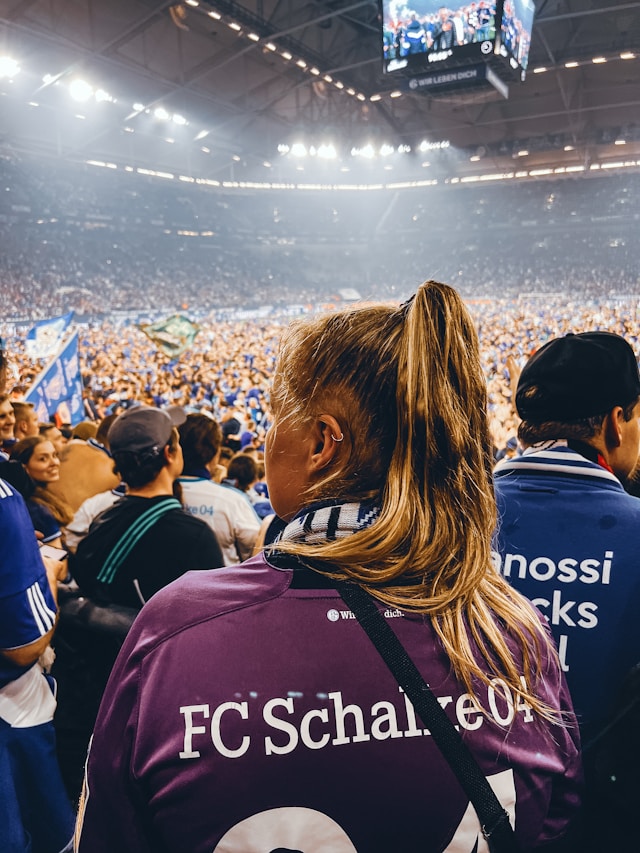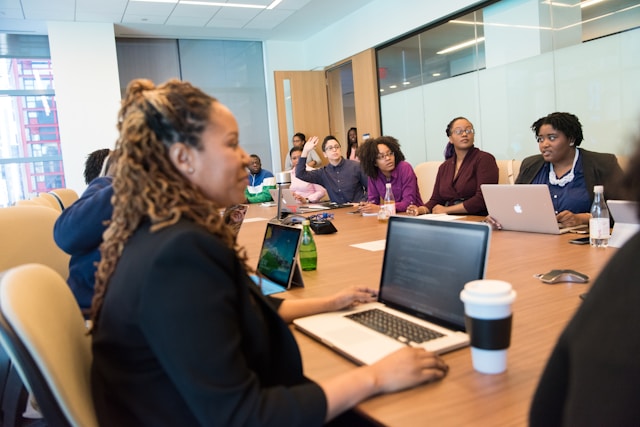
Women are not only making strides on the field but are also increasingly taking on leadership roles off it. This is crucial because more women in decision-making positions leads to better policies, increased investment, and a greater focus on athletes’ well-being. Diverse leadership teams bring different perspectives, challenge entrenched assumptions, and are more likely to prioritize issues that affect female athletes and participants. There have been significant institutional milestones in recent years. The International Olympic Committee has achieved 41% female membership, representing steady progress toward gender balance in one of the world’s most powerful sports organizations.
Progress in Sports Governance
World Athletics became the first Olympic sport to achieve 50% representation on its Council in 2023, setting a benchmark that other governing bodies are now working to replicate. These achievements demonstrate that meaningful change is possible when sports organizations commit to diversity goals and actively recruit women for leadership positions. World Athletics’ three-year Gender Leadership Strategy, launched in 2025, sets ambitious targets to increase the pipeline of female leaders. This includes achieving 40% female representation on member federation executive boards by 2029 and 50/50 gender balance for International Technical Officials at the 2027 World Championships and 2028 Olympic Games. The strategy recognizes that representation at all levels is necessary to create lasting change and that specific, measurable targets are essential for accountability.
Female Representation in Sports Governing Bodies
| Organization | Female Board Members (%) | Female Leadership Positions | Year |
|---|---|---|---|
| International Olympic Committee | 41% | 3 of 15 Executive Board | 2026 |
| World Athletics | 50% | 13 of 26 Council Members | 2023 |
| FIFA | 33% | 9 of 37 Council Members | 2026 |
| UEFA | 25% | 5 of 20 Executive Committee | 2026 |
| International Tennis Federation | 35% | 4 of 12 Board Members | 2025 |
| International Cricket Council | 29% | 5 of 17 Directors | 2025 |
Women in Executive Leadership Positions
Similar efforts are underway across the sports landscape. The international rowing federation has launched a Women in Leadership programme to empower women in administration and governance, providing training, mentorship, and networking opportunities. National governing bodies in countries like the United Kingdom and Australia have implemented diversity targets and transparent reporting mechanisms to track progress toward gender balance in leadership. Despite this progress, women remain underrepresented in the most powerful positions. As of 2026, only 32% of executive positions in international sport federations are held by women, and just three of the 30 International Sports Federations surveyed had a woman at the helm. FIFA estimates that women represent only 5% of registered football coaches globally, a figure that reflects both the lack of pathways into coaching and the persistence of gender stereotypes about leadership roles.
Female Leaders in Global Sports Organizations
| Leader | Organization | Position | Year Appointed |
|---|---|---|---|
| Gianni Infantino | FIFA | President | 2016 (male) |
| Fatma Samoura | FIFA | Secretary General | 2016 (female) |
| Sebastian Coe | World Athletics | President | 2015 (male) |
| Debbie Hewitt | UEFA | Vice President | 2023 (female) |
| Kathy Behrens | NBA | EVP | 2016 (female) |
| Cathy Engelbert | WNBA | Commissioner | 2019 (female) |
The challenge now is to move beyond symbolic representation and ensure women are integrated into decision-making at all levels, from the boardroom to the coaching ranks. As one female leader in rowing noted, having women at the top table is critical for achieving real, sustainable change that benefits not just female athletes but the entire sports community.